
Cook Strait ferry with a 6m+ motorhome
Length-based pricing, 6m vs 7m vs 8m bands, sailings, vehicle deck reality. Honest, granular how-to — written from on-the-ground knowledge, ...
- logistics
- interisland
Taking a motorhome across Cook Strait is not difficult, but the details matter once the vehicle is over 6 m. The fare is length-based, the vehicle deck is tight, and a late January sailing can shape your whole North to South in 21 days plan.
This page sits under our Cook Strait ferry with a campervan guide and pairs well with the Wellington to Picton ferry crossing drive guide, especially if you are starting in Wellington and heading for Picton, Kaikoura, Nelson, or the West Coast. Get the planning checklist that pairs this with the route-level gotchas for your trip, or reply with your dates if you'd like a planner to flag the ferry-specific traps on your week.
The length number that matters is the loaded length
Cook Strait ferry pricing for a motorhome is based on total vehicle length, not just the model name on the rental agreement. Measure the loaded length: front bumper to rear overhang, plus bike rack, tow bar box, spare wheel, or anything mounted behind the vehicle.
The practical breakpoints are simple. A 6 m motorhome usually sits in a lower length band than a 7 m vehicle. A 7 m to 8 m vehicle needs more deck space and costs more. Once you are around 8 m or towing, the operator may treat you closer to a larger commercial-style space, even if it is still a private holiday vehicle.
Do not guess low to save money. If the vehicle is longer at check-in than declared, staff can reprice it, move you to a different lane, or in a full sailing, leave you waiting for space. January, Easter, and school holidays are when that hurts most.
Sailing choice: timing beats a pretty timetable
Interislander and Bluebridge both run between Wellington and Picton. The sailing itself is about 3 hours 20 minutes. With check-in, loading, unloading, and getting clear of the terminal, treat it as a 5-hour block in your day.
For a 6 m to 8 m motorhome, book peak summer sailings about 4 months out, not 2 weeks out. January is the worst month for assuming there will be space. Shoulder seasons, especially March and April, are more forgiving, but Friday afternoons, public holiday weekends, and school holiday changeover days still fill early.
I prefer a mid-morning or early afternoon ferry for first-timers. Very early sailings mean driving a large vehicle through dark city streets. Late sailings can drop you in Picton tired, with fewer easy campsites left. If your wider plan is South Island in 14 days, protect this crossing before polishing the Milford Sound or West Coast days.
Vehicle deck reality on a 6m, 7m or 8m motorhome
The vehicle deck is managed by crew, not by confident tourists reversing wherever they like. Follow the marshal, keep the mirrors in mind, and stop exactly where directed. You may be close to trucks, buses, caravans, and other motorhomes.
- Turn LPG off before boarding if instructed. This is normal ferry practice. See Maritime NZ for the ferry side and follow the operator's dangerous goods rules.
- Secure cupboards and fridge contents. Cook Strait can be calm, or it can move enough to open a loose drawer.
- Take what you need upstairs. You normally cannot return to the vehicle deck during the crossing.
- Use the handbrake and leave the vehicle in gear or park, as directed by crew.
If you are new to left-side driving in New Zealand, pair this with First time driving a motorhome. The ferry itself is easy. The tiring part is often the city approach before it and the narrow SH1 or SH6 drive after it.
Arriving in Wellington or Picton without making the day ugly
Wellington's ferry terminals sit close to city traffic, port roads, and wind. Give yourself a buffer. From central Wellington it may be only a few kilometres, but with a 7 m vehicle, fuel stop, wrong lane, and check-in queue, you do not want a 20-minute margin.
Picton is easier, but do not plan a big first South Island drive after a late ferry. Picton to Blenheim is 29 km and about 25 to 35 minutes. Picton to Kaikoura via SH1 is 156 km and realistically 2 hours 15 minutes to 2 hours 45 minutes in a motorhome, longer with stops. Picton to Nelson via SH6 is about 140 km and 2 hours 15 minutes to 2 hours 45 minutes.
Good first-night choices include Picton holiday parks, Blenheim if you are heading south on SH1, or Nelson if your route turns toward Tasman. Tasman is one of the stricter regions for freedom camping bylaws, so check the Freedom camping in NZ guide before assuming a roadside pull-off is legal.
Safer fallbacks if the ferry plan is tight
If your preferred crossing is full, do not build a fragile plan around a waitlist. Use one of these fallbacks:
- Shift the crossing by one day and spend the spare night in Wellington or Picton. This is cleaner than racing from Rotorua or Kaikoura on the same day.
- Choose the other ferry operator if the time and length space works. Read Interislander vs Bluebridge 2026 for the trade-offs.
- Reduce vehicle length if you have not chosen yet. A compact self-contained camper is easier to place than an 8 m family motorhome.
- Split the islands on shorter trips. North Island in 10 days or South Island in 10 days often beats losing a day to a forced crossing.
Always check the live operator rules before travel. The NZTA / Waka Kotahi rule matters for road access and licensing, while the ferry operator controls check-in, vehicle length, and carriage conditions.
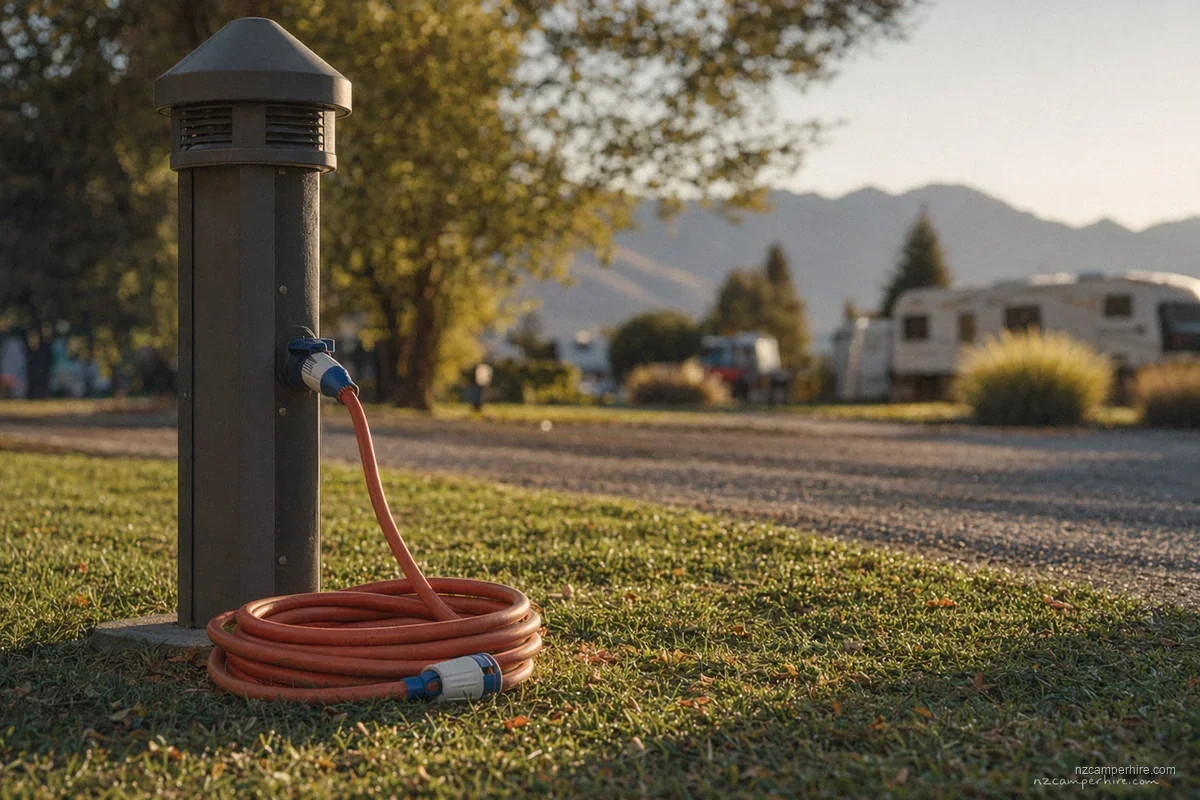
Rules and practicalities are easier to remember when you've felt them — the cold of a wet boot at a freedom camp, the relief of an early ferry slot. This guide is written from those moments, not from a checklist.
Related reading
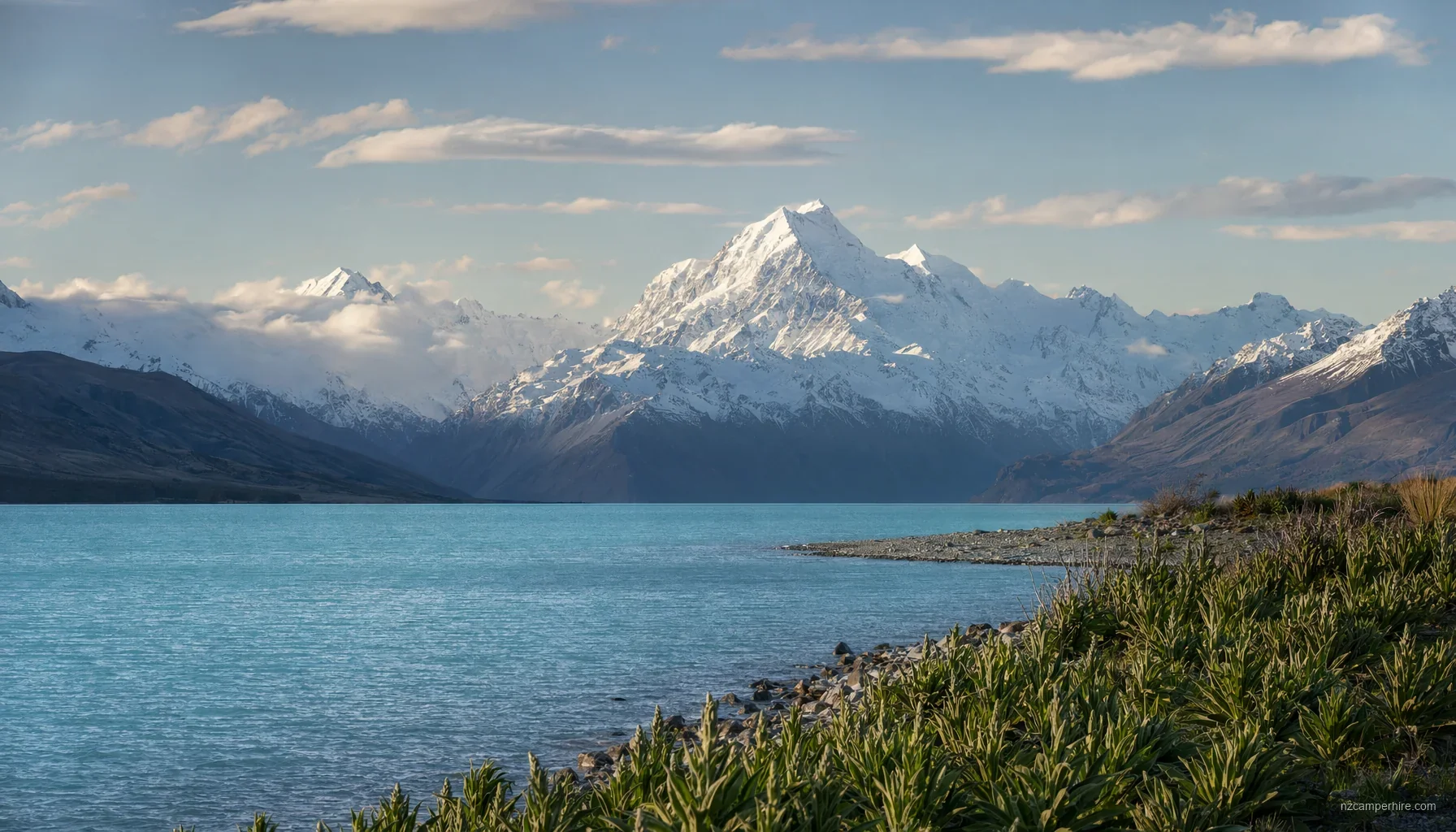 ROUTE
ROUTE South Island in 14 days
Classic clockwise South Island loop — Kaikoura, Nelson, West Coast glaciers, Wanaka, Queenstown, Milford Sound, Tekapo, back to Christchurch.
See the route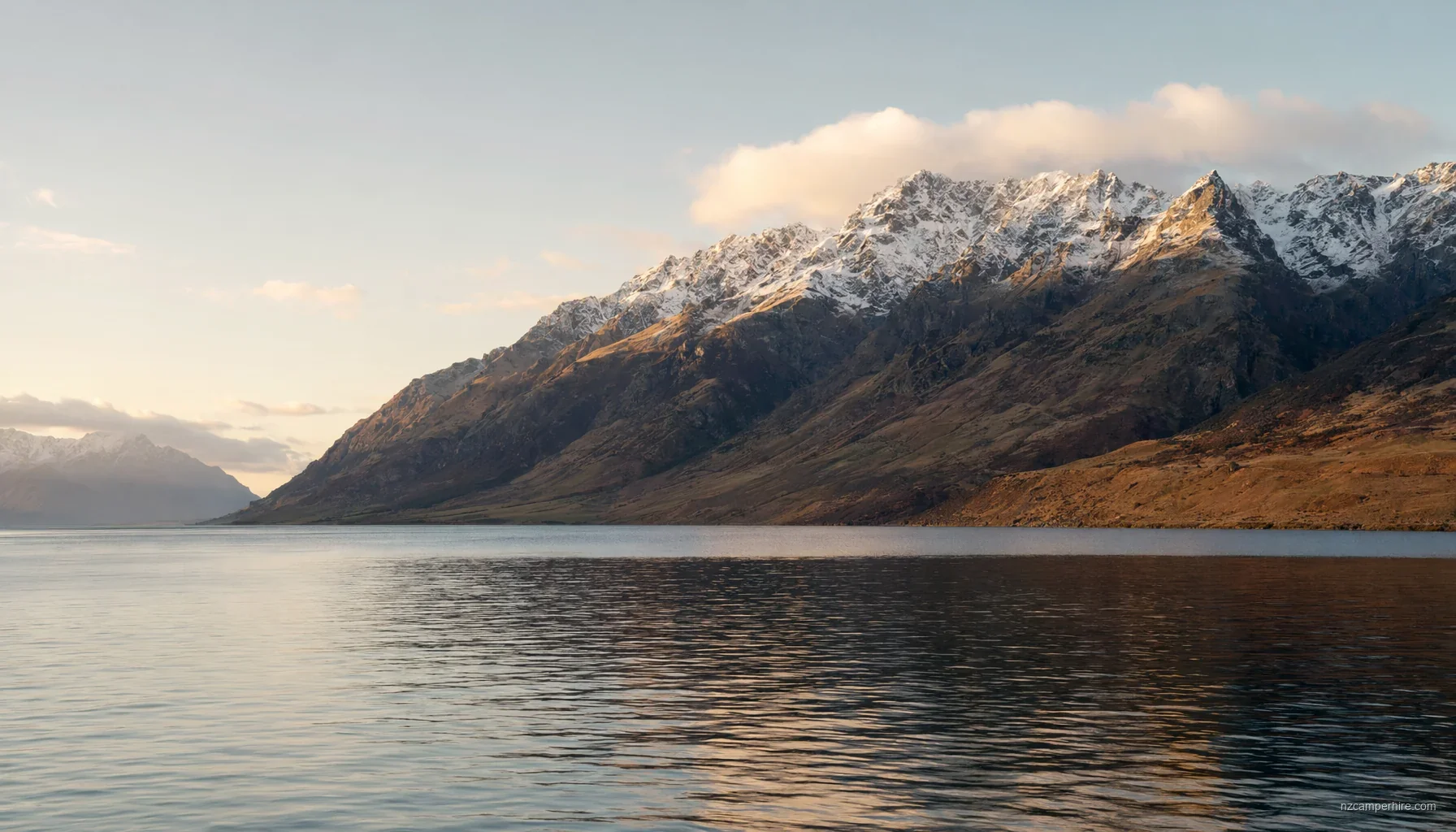 REGION
 Queenstown
Southern Lakes depot. Closest pickup for Milford Sound, Wanaka, Glenorchy, and the Southern Scenic Route.
See the region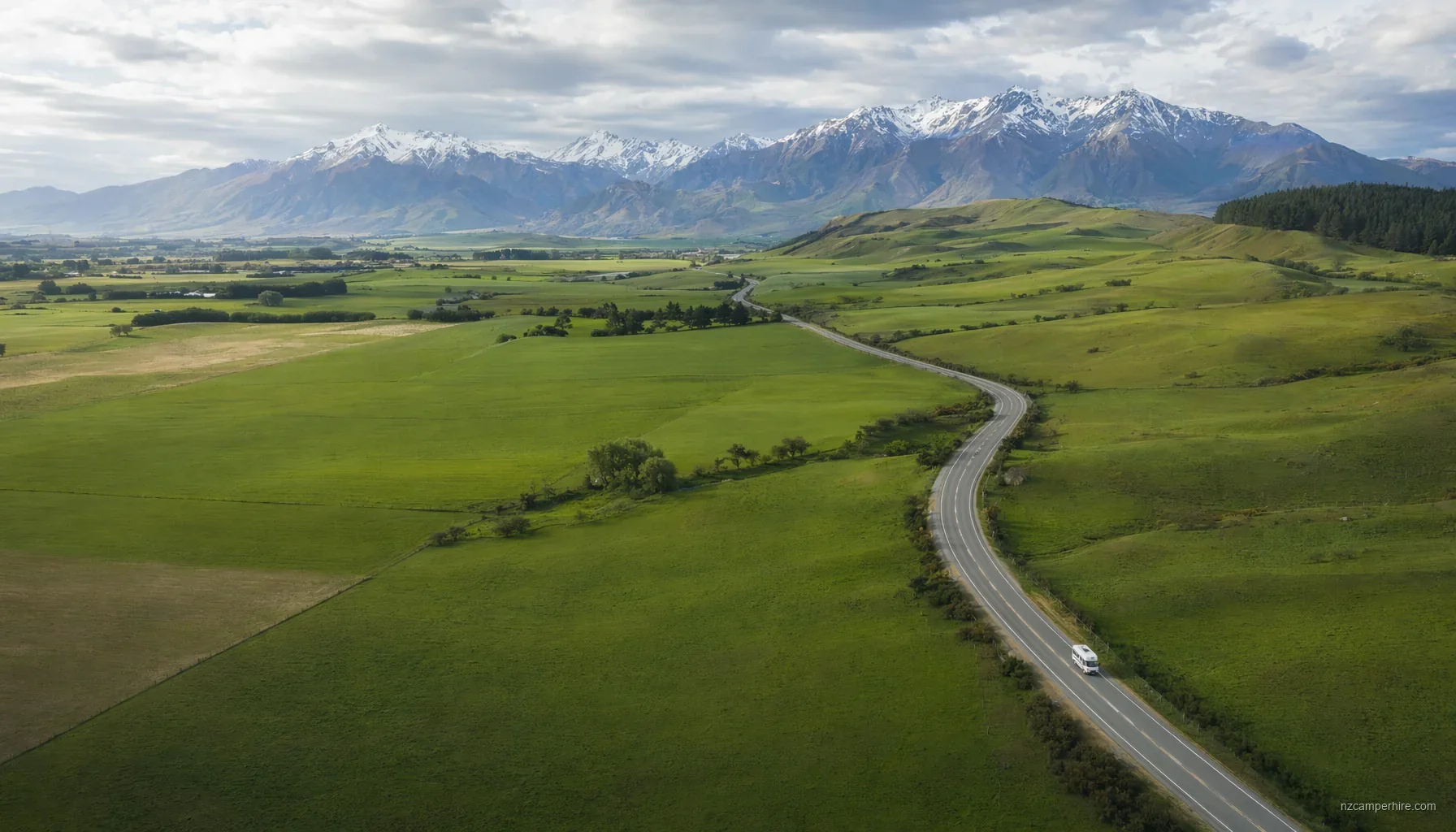 PRACTICAL GUIDE
 Best time of year for a NZ campervan trip
Month-by-month — weather, demand, school holidays, peak ferry windows.
Read the guideCook Strait ferry with a 6m+ motorhome FAQ
How early should I arrive for the Cook Strait ferry with a motorhome?
Does a bike rack count in the ferry vehicle length?
Can I stay inside the motorhome during the Cook Strait crossing?
Is Bluebridge or Interislander better for a large motorhome?
Have a planner answer this for your specific trip
Rules and practicalities depend on dates, party size, and route. Send us your outline and we'll come back with answers tailored to your trip.