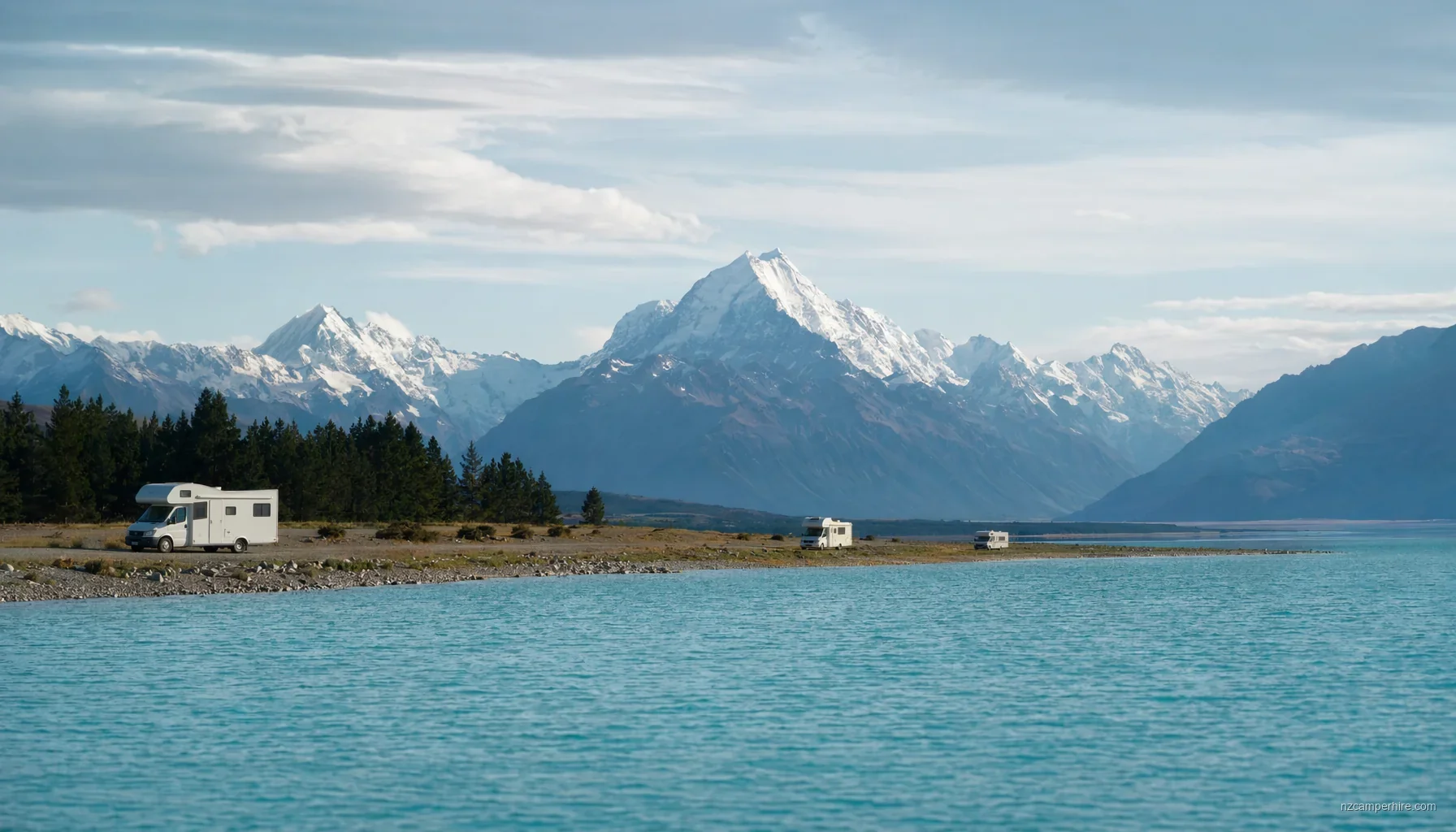
The single most important question after deciding to rent a motorhome is the berth count. NZ motorhomes are listed as 2-berth, 4-berth or 6-berth, but the labels hide real layout differences. A 2-berth almost always means a permanent rear queen bed that doesn't need to be made up nightly. A 4-berth means either two permanent beds (one rear, one over the cab — the Luton position) or a permanent rear bed plus a dinette that converts each evening into the second bed. The difference between those two 4-berth styles changes a trip more than the brand badge ever will.
When a 2-berth is right
Two adults, one vehicle, simple. The 2-berth is shorter (typically 5.4-6.0 m), drives more like a tall van than a small truck, parks more easily, fuels at 10-13 L/100km, and the bed is always made. If you're a couple and the trip is more than 7 nights, a 2-berth almost always returns better day-to-day comfort than a 4-berth with one bed unused.
When a 4-berth is right
Two adults plus one or two children under 12 fit a 4-berth comfortably. Two adults plus two teenagers will be tight; consider the 6-berth instead. Four adults in a 4-berth is workable for 5-7 nights but uncomfortable for 14. Most 4-berths are 6.5-7.2 m long and fuel at 12-15 L/100km — still fine on all NZ roads but slower through mountain passes and harder to park in town centres.
Permanent beds vs. dinette conversion
When you compare two 4-berths at similar prices, ask: does the second bed convert from the dinette every night, or is it permanent over the cab? Permanent-bed layouts are roughly 15-25% more expensive but they preserve the lounge area after 8pm — meaningful with kids who go to bed before the parents.