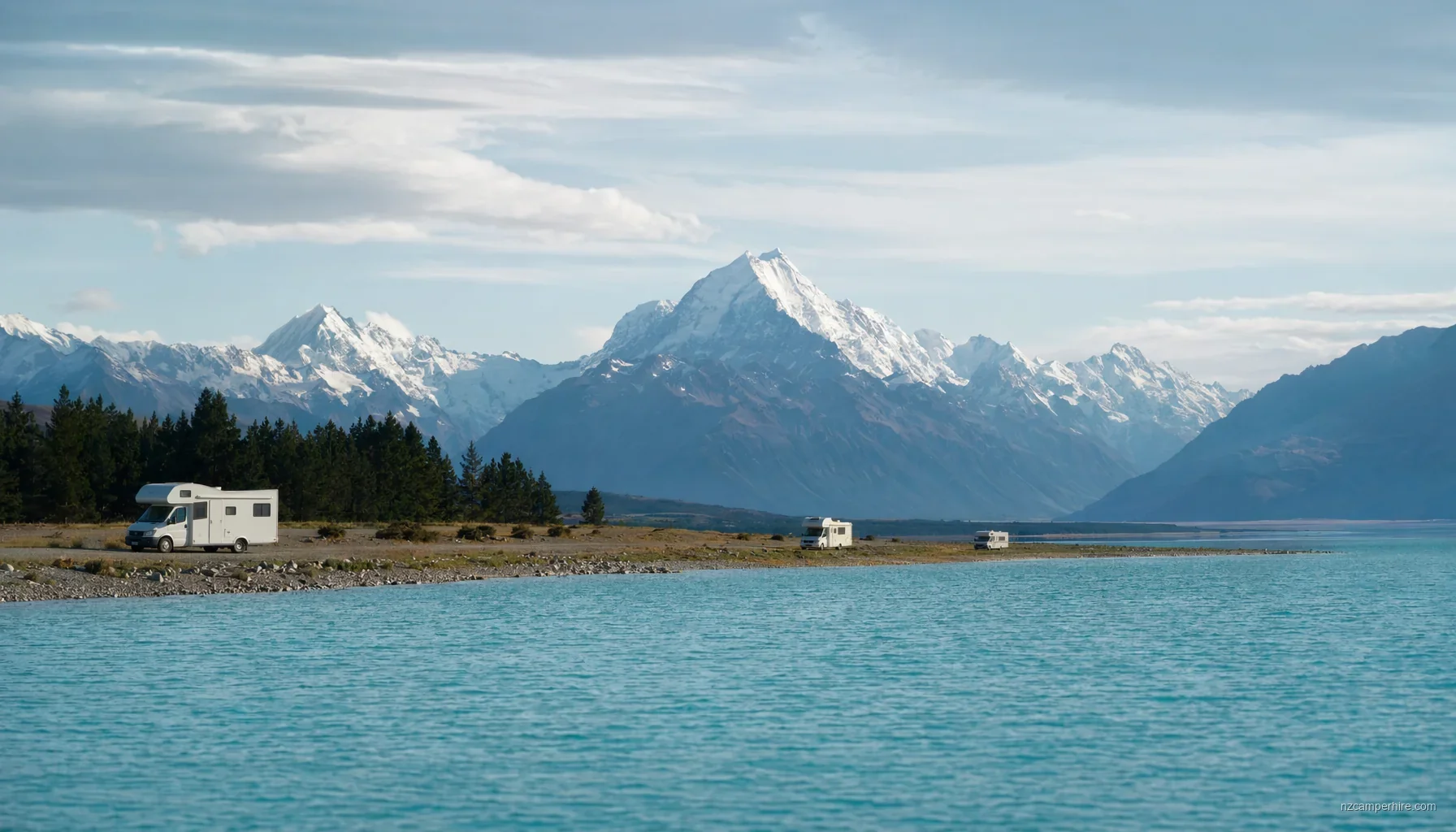
Self-containment in NZ is a specific legal certification (NZ Standard NZS 5465:2003, updated by the Self-Contained Motor Vehicles Act 2023), not a marketing label. A vehicle is certified self-contained if it has a fixed toilet (cassette or composting), fresh-water capacity of at least 12 litres per person for three days, grey-water capacity of at least 12 litres per person for three days, and a sealed waste-water system. The certification is displayed as a blue plastic sticker on the windscreen with an expiry date. Without that sticker, freedom-camping in council-designated sites is illegal — infringements are NZ$200-400 and enforcement is real, especially in Queenstown, Wanaka, Tekapo and the Coromandel.
What self-contained certification unlocks
Free or low-cost overnight stays at most DOC campsites (NZ$0-15 per site), council freedom-camping zones (free), and a wider choice of remote stops on routes like the Catlins, the East Cape, the West Coast, and the Far North. On a 14-night trip with half the nights at self-contained-only sites, the saving versus holiday parks is roughly NZ$200-400.
How to confirm a rental is self-contained
Ask the depot to confirm the blue NZS 5465 sticker is current (not expired) at pickup. Some rental fleets offer self-contained 2-berths as a paid upgrade; others include it by default on certain layouts; a handful of budget vehicles aren't certified at all. The certification doesn't change how the vehicle drives — it's purely about the water and toilet systems.
Self-contained doesn't mean stay-anywhere
The sticker lets you stay overnight at designated freedom-camping zones — not in any random layby. Many of the best-looking lakefront pull-offs are signposted no-overnight even for self-contained vehicles. Use the CamperMate or Rankers app to check the rules for a specific spot before settling in for the night.