
Emergency breakdown help with a NZ motorhome
AA service, operator hotline, what to do if you break down on Milford Road. Honest, granular how-to — written from on-the-ground knowledge, ...
- logistics
A campervan breakdown in NZ is usually boring if you treat it in the right order: get safe, call the rental operator, then let the AA or contracted roadside service handle the vehicle. The trap is trying to solve it like a car at home, especially on SH94 to Milford Sound where phone signal disappears.
Get the planning checklist that pairs this with the route-level gotchas for your trip, or reply with your dates if you'd like a planner to flag the breakdown-specific traps on your week.
The first five minutes beside a New Zealand road
New Zealand drives on the left, so your safe shoulder is usually the far-left edge of the road. Indicate early, pull as far left as you safely can, turn hazard lights on, and keep people behind the barrier or well off the seal. Do not stand between the motorhome and traffic.
On narrow roads such as SH6 on the West Coast, SH73 over Arthur's Pass at 920 m, or SH94 toward Milford Sound, a 6 m to 7.5 m motorhome can block half a lane very quickly. If the vehicle still rolls, move to a lay-by, farm gate entrance, or signed rest area before you stop.
- Call 111 first if anyone is hurt, the vehicle is smoking, there is fuel leaking, or you are stuck in a live lane.
- Use the rental operator's 24-hour number next. It is usually on the key tag, windscreen card, rental agreement, or app.
- Take photos of warning lights, tyre damage, road position, and the dash mileage before help arrives.
- Keep your licence handy. Foreign licences in English are valid for up to 12 months; if your licence is not in English, carry an IDP or approved translation.
Who you call: operator, AA, 111, and police
Most rental motorhomes have roadside assistance arranged through the operator, often using the AA network. That does not mean you should ring the AA first every time. Call the operator hotline unless it is a genuine emergency. They need to approve towing, replacement tyres, workshop work, and accommodation changes.
Use 111 for ambulance, fire, or police. Use *555 for urgent but non-life-threatening road incidents on state highways, such as a dangerous obstruction or debris. For road closure information, see the NZTA / Waka Kotahi Journey Planner before you commit to passes such as Lindis Pass at 965 m, Crown Range at 1,121 m, or Arthur's Pass.
If your breakdown affects a Cook Strait sailing, call the operator and the ferry company. The Wellington to Picton crossing is about 3 hours 20 minutes on the water, but closer to 3.5 hours with loading. Vehicle breakdowns at terminals become operational issues quickly. For the ferry side of rules and safety, see Maritime NZ, and read our Cook Strait ferry with a campervan guide before a North to South in 21 days itinerary.
Milford Road is where small faults become big plans
The Te Anau to Milford Sound drive on SH94 is 118 km and about 2 hours 15 minutes without stops in a car. In a motorhome, allow 2.5 to 3 hours. There is no fuel after Te Anau. Mobile coverage is poor or absent for long sections beyond Te Anau Downs. In winter, chains may be required and the road can close for snow, ice, avalanche control, slips, or flooding.
This matters most on the Queenstown to Milford Sound drive and the Te Anau to Milford Sound drive, especially in July. Queenstown is the stricter practical region here, not because of one breakdown rule, but because vehicle recovery, parking, weather, and accommodation pressure all collide.
If you break down between Te Anau and Milford Sound, get the vehicle off the carriageway if possible, keep everyone warm, and call from the first reliable signal point or roadside emergency phone you can safely reach. Do not walk through the Homer Tunnel. Do not leave children or older travellers in the vehicle if it is exposed to traffic. If you are near Cascade Creek DOC campsite, check current access and conditions through doc.govt.nz before treating it as an easy fallback.
Towing, insurance excess, and repairs you should not approve
Rental motorhome insurance is not the same as roadside cover. Insurance deals with damage liability and excess. Roadside assistance deals with getting the vehicle moving or recovered. Read Campervan insurance options before you choose an excess level, because a tyre, windscreen, underbody strike, or wrong-fuel event can sit outside the tidy version travellers expect.
Do not authorise a tow, tyre replacement, jump-start on a modern vehicle, or workshop repair without the operator's approval unless emergency services direct it. If you put petrol in a diesel motorhome, do not start the engine. Call the operator from the pump. If you have a dashboard warning light, send a photo and describe what happened just before it appeared.
For route planning, the South Island in 14 days itinerary gives you more slack than the South Island in 7 days route. That slack is not glamorous, but it is what saves a Milford cruise, ferry sailing, or Mount Cook night when a tyre valve or battery costs half a day.
Safer fallbacks if the vehicle, road, or weather is not right
The safest backup is not always another roadside lay-by. If the operator tells you to stop driving, stop driving. If NZTA / Waka Kotahi shows SH94, SH6, or SH73 as closed or restricted, wait it out rather than trying a longer mountain detour in fading light.
- Near Queenstown: Creeksyde Queenstown gives you a practical town base if the vehicle is still driveable and the operator wants a workshop assessment.
- Near Te Anau: Te Anau Lakeview Holiday Park is a sensible fallback before Milford Road, with fuel, food, and phone signal nearby.
- Near Christchurch: North South Holiday Park is useful after pickup if a warning light appears before you leave the city.
- Near Mount Cook: White Horse Hill DOC campsite is beautiful, but it is not where you want to troubleshoot a mechanical fault in bad weather. Use Twizel or Lake Tekapo services instead.
Pair this page with First time driving a motorhome and Driving on the left in NZ. The mechanical plan matters, but most bad breakdown days start with fatigue, a rushed first day, or a road that was too ambitious for the vehicle size.
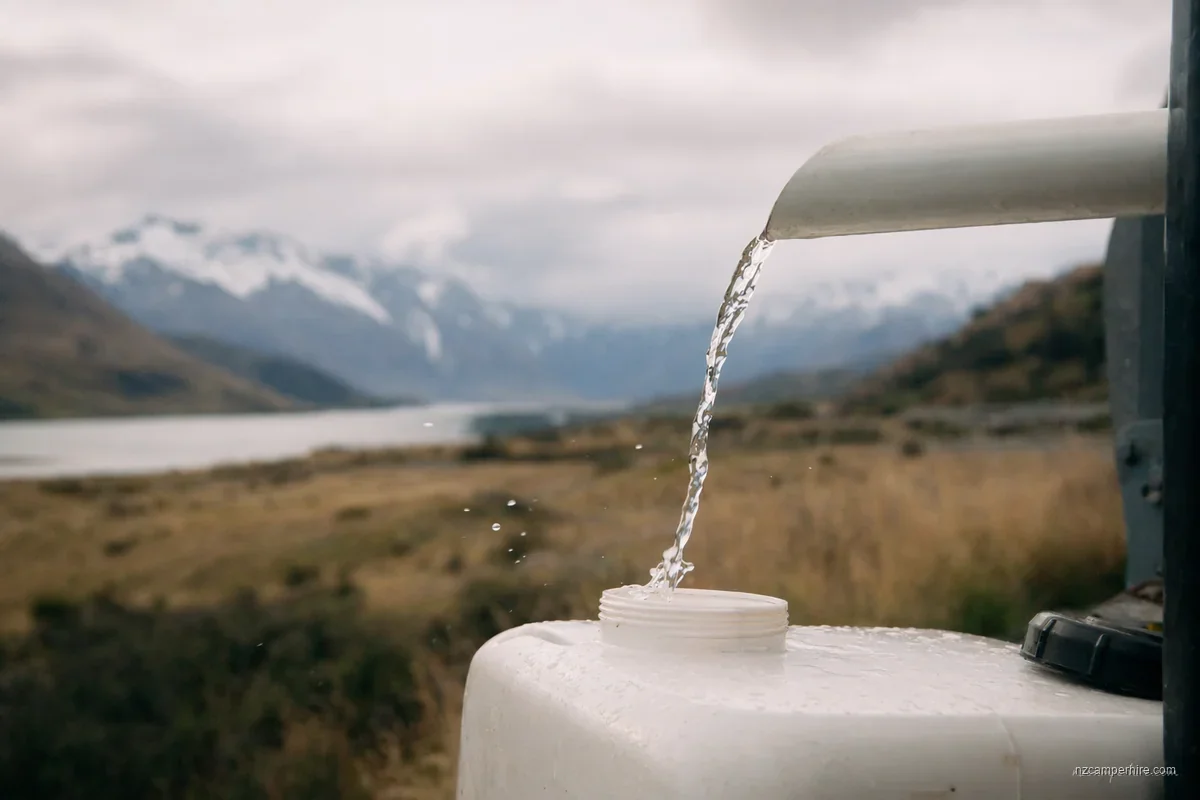
Rules and practicalities are easier to remember when you've felt them — the cold of a wet boot at a freedom camp, the relief of an early ferry slot. This guide is written from those moments, not from a checklist.
Related reading
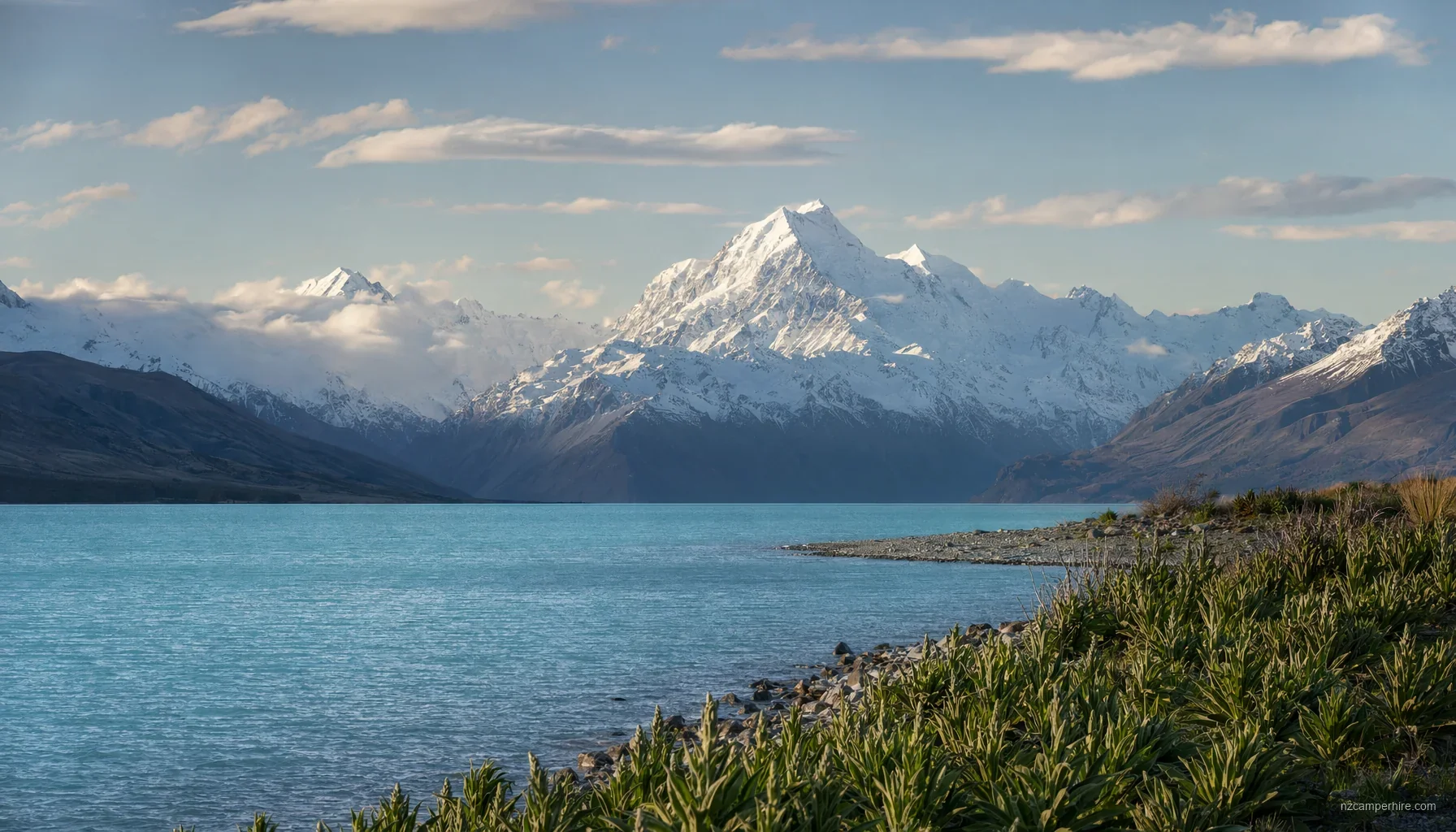 ROUTE
ROUTE South Island in 14 days
Classic clockwise South Island loop — Kaikoura, Nelson, West Coast glaciers, Wanaka, Queenstown, Milford Sound, Tekapo, back to Christchurch.
See the route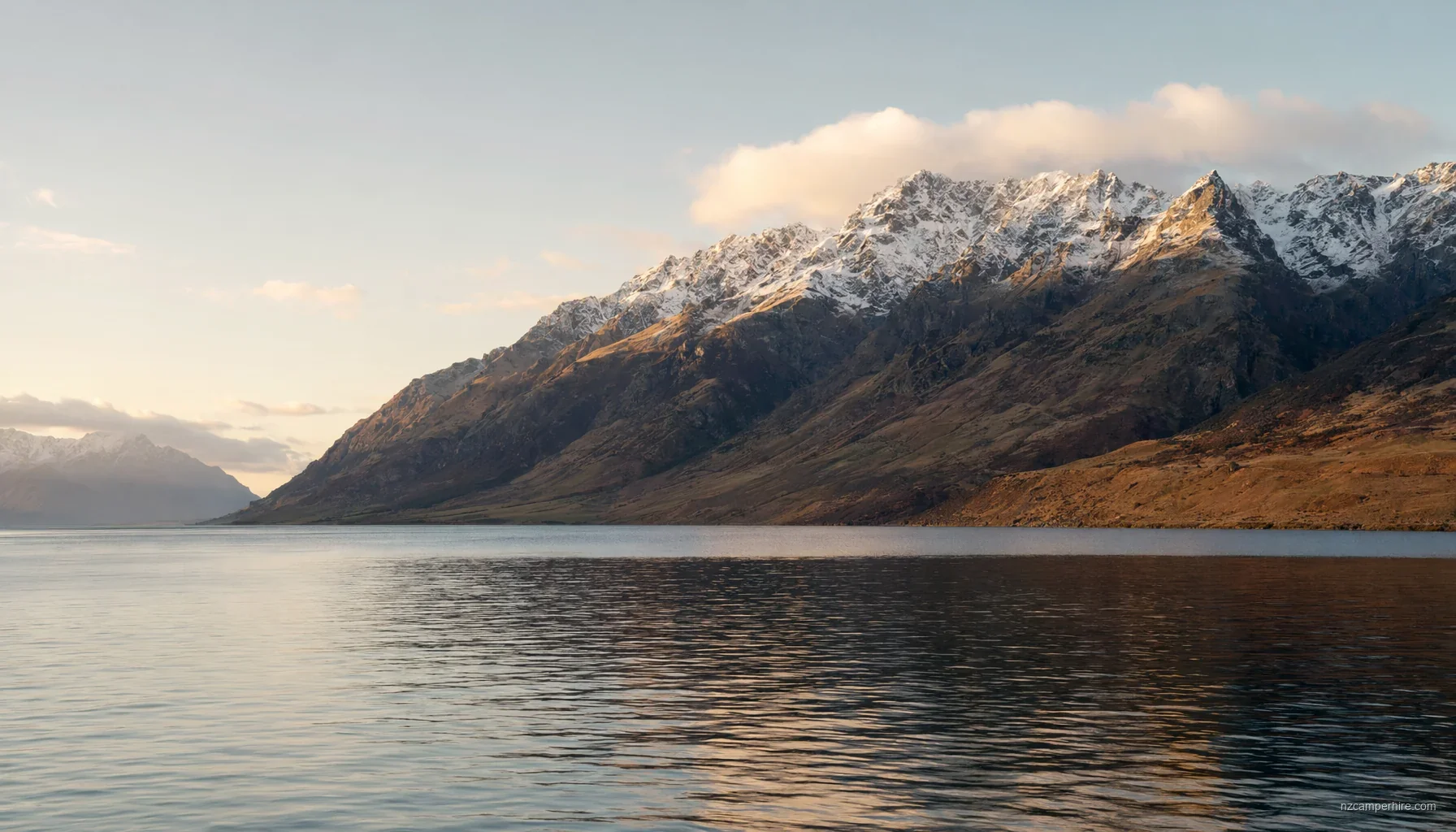 REGION
 Queenstown
Southern Lakes depot. Closest pickup for Milford Sound, Wanaka, Glenorchy, and the Southern Scenic Route.
See the region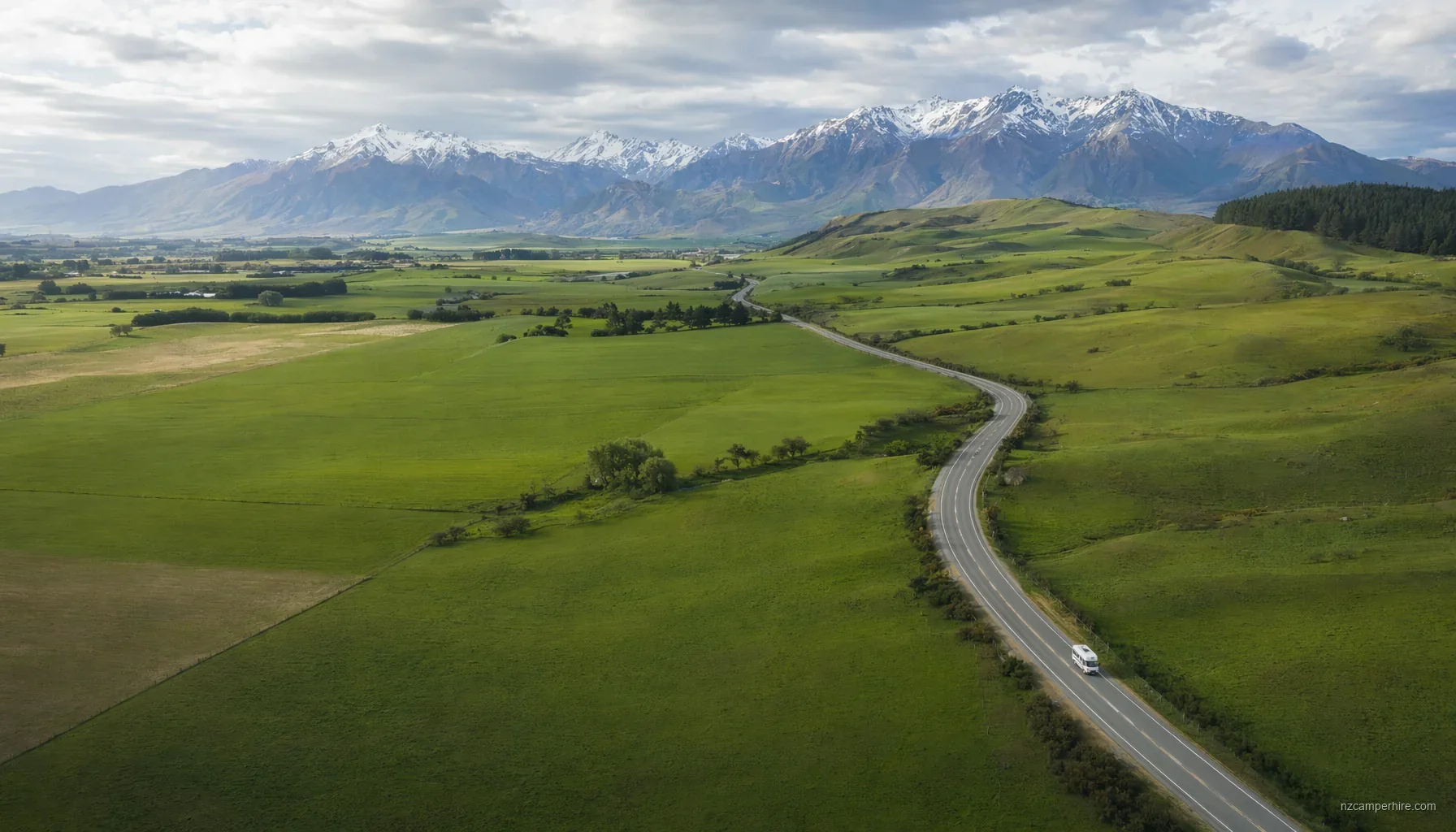 PRACTICAL GUIDE
 Best time of year for a NZ campervan trip
Month-by-month — weather, demand, school holidays, peak ferry windows.
Read the guideEmergency breakdown help with a NZ motorhome FAQ
Does the AA cover rental campervans in New Zealand?
What should I do if I break down on the Milford Road with no reception?
Can I keep driving with a warning light on the dashboard?
Who pays if the motorhome needs towing or a replacement night?
Have a planner answer this for your specific trip
Rules and practicalities depend on dates, party size, and route. Send us your outline and we'll come back with answers tailored to your trip.