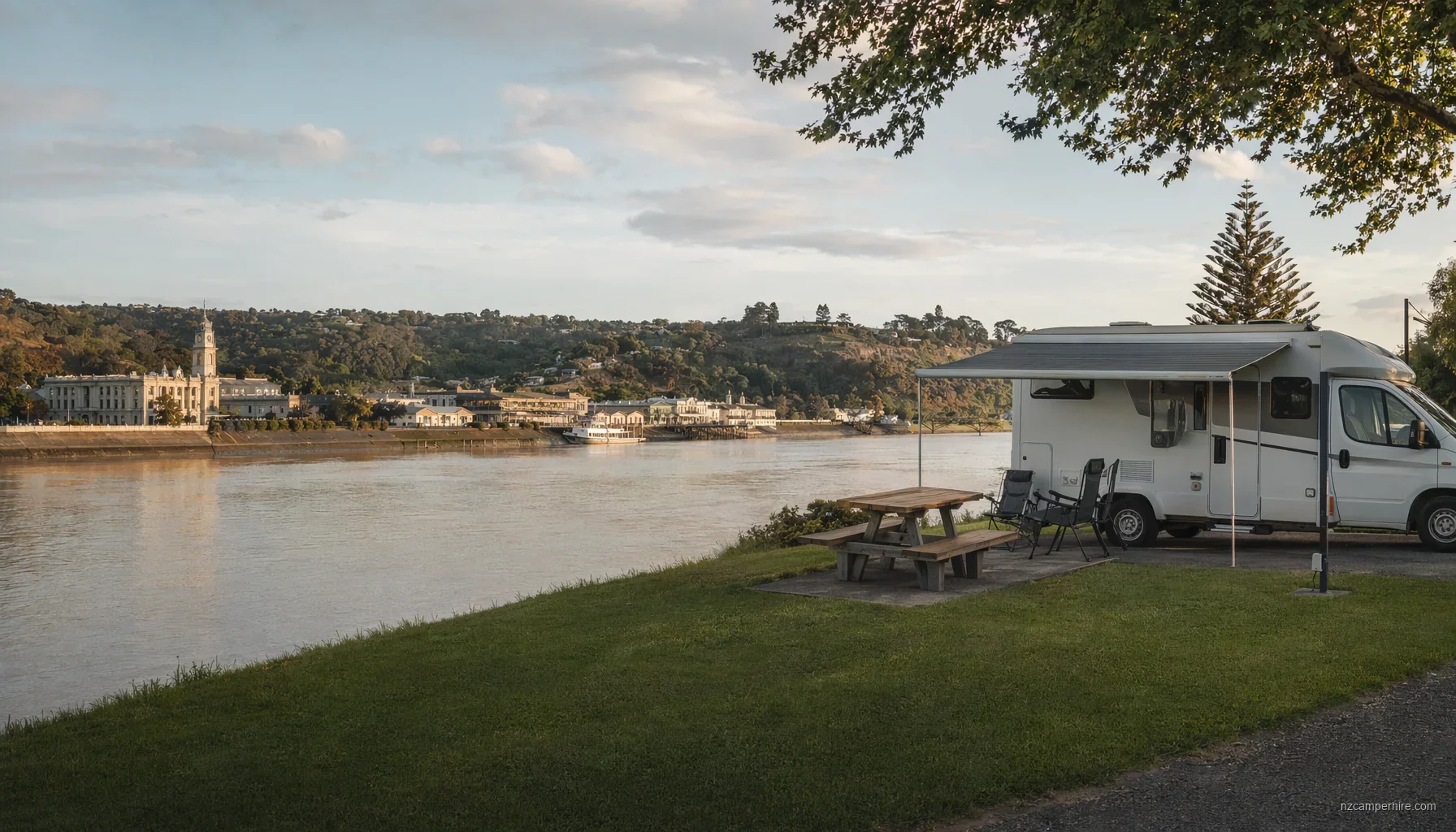
Whanganui Holiday Park motorhome stay guide
wanganui holiday park
- holiday-park
- drive-in
- powered-sites
Whanganui Holiday Park is the river-city stop that makes sense when you want an easy powered site, a real laundry, and a short run to Wellington the next day. It suits motorhome travellers using Whanganui as a 1-2 night pause between Tongariro, Taranaki, or the lower North Island.
Get the regional plan that pairs Whanganui Holiday Park with the two DOC sites within 30 minutes, or send your dates if you'd like a planner to sense-check the booking window for your week.
Where it is, and who it suits
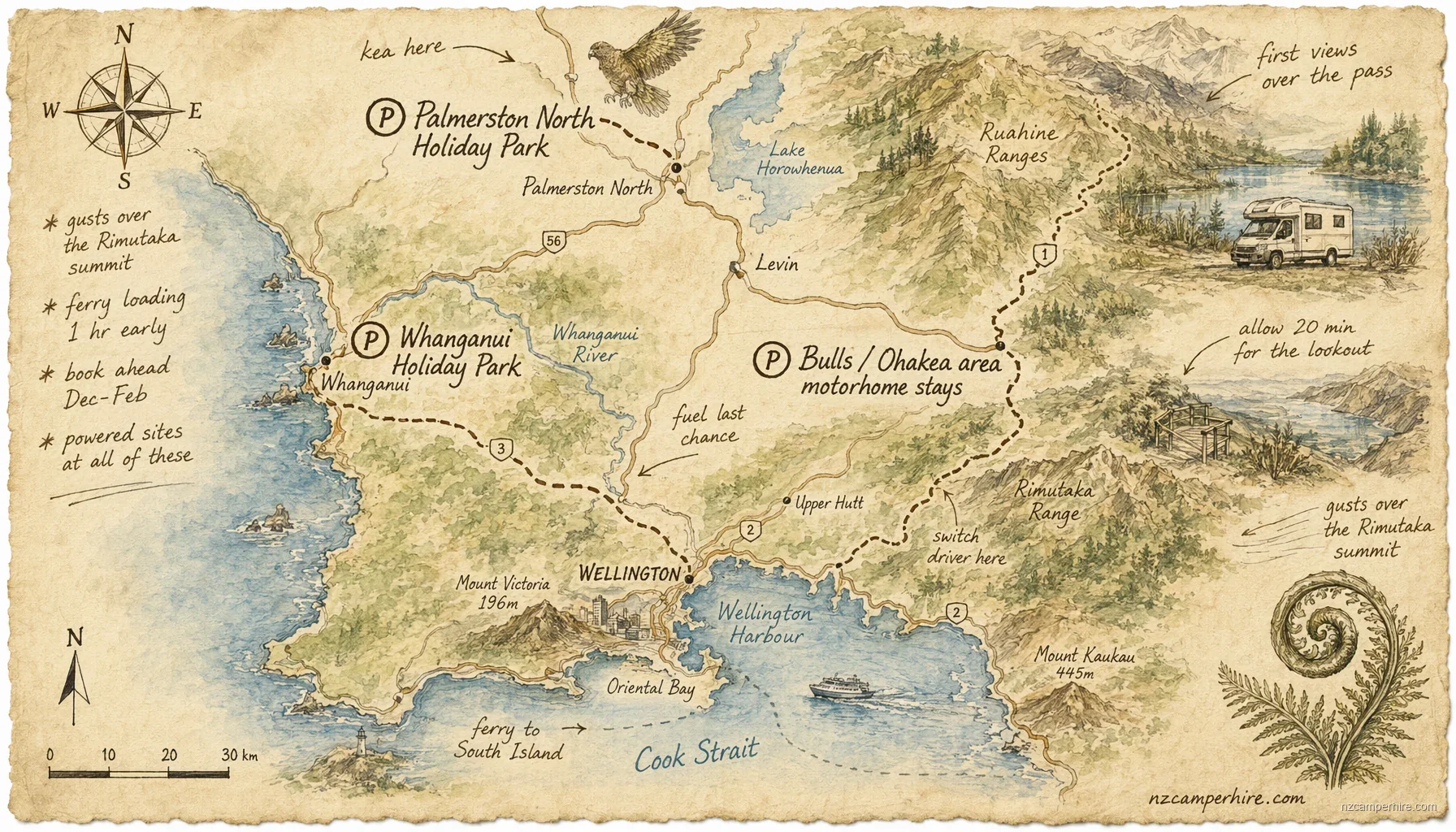
Whanganui Holiday Park is a Top 10-branded holiday park in Aramoho, beside the Whanganui River and away from the busiest part of town. It is about 5 km from Victoria Avenue in central Whanganui, usually 8-10 minutes by motorhome, or roughly 55-60 minutes on foot along the river path in daylight.
This is a practical stop on the North Island in 10 days route, especially if you are continuing south to the Wellington region. From Whanganui to Wellington is about 195 km and 2 hours 45 minutes via SH3 and SH1 in normal conditions. Allow longer on a Friday afternoon or public holiday.
What you get for the price
Powered sites for two adults are typically around NZ$55-75 in peak summer, with winter and shoulder-season nights noticeably lower. The value is not just the patch of grass. You are paying for a communal kitchen, TV lounge, laundry, guest bathrooms, playground-style family facilities, a pool or hot-pool setup depending on season and maintenance, and a dump station on site.
Wi-Fi is useful for messages, maps, and basic browsing. Do not plan a full workday or streaming night around it in January. Mobile data is usually the safer backup in town.
The nearest fuel is in the central Whanganui area, around 5 km away on the main urban routes. Fill before you head north on SH4 toward National Park, as that road is slower and more remote than it looks on a map.
Powered vs unpowered sites
For most first-time motorhome travellers, a powered site is worth it here. You can charge the house battery, run the fridge confidently, use the heater or fan without watching the battery gauge, and reset after a few nights at simpler campsites.
Unpowered sites can work in warm weather if your vehicle has good solar and you are only stopping one night. Longer motorhomes, especially 7 m plus, should mention length when arranging a site. The internal roads are manageable, but a straight, easy bay is better than trying to shuffle a large vehicle late in the day.
The on-site dump station is the nearest dump point if you are staying. Ask reception about access rules if you only want to empty tanks while passing through.
How early to book in January
January is the pressure month. Whanganui is not as tight as Queenstown or Rotorua, but family sites still fill around New Year, summer weekends, and local events. For a powered motorhome site in early January, look 2-3 months ahead. For February or March, a few weeks may be enough, but school-holiday weekends still move early.
If the park is full, the realistic backups are not all equal. Mosquito Point Campsite and Kauarapaoa Campsite are DOC-style options up the Whanganui River direction, but they are simpler and less convenient for laundry, dumping, and town supplies. Read the Holiday parks vs DOC campsites guide before treating them as like-for-like substitutes.
What's nearby for one or two nights
For a short stay, keep it simple. Drive 6 km to the Durie Hill Elevator and tower, allow 60-90 minutes, then park near Taupo Quay for the riverfront and galleries. The Saturday River Traders Market is about 5 km from the park. Virginia Lake is also close, around 4 km, and works well when children need a low-effort walk.
If you have two nights, drive part of the Whanganui River Road rather than trying to race all the way across the region. It is narrow, scenic, and slower than visitors expect. New Zealand drives on the left, and on rural roads the centre line does not always mean the lane feels wide in a motorhome.
Dogs are usually by prior approval rather than automatic, and restrictions can tighten in peak holiday periods. Check before you arrive with a pet, not at the gate.

Related reading
 REGION
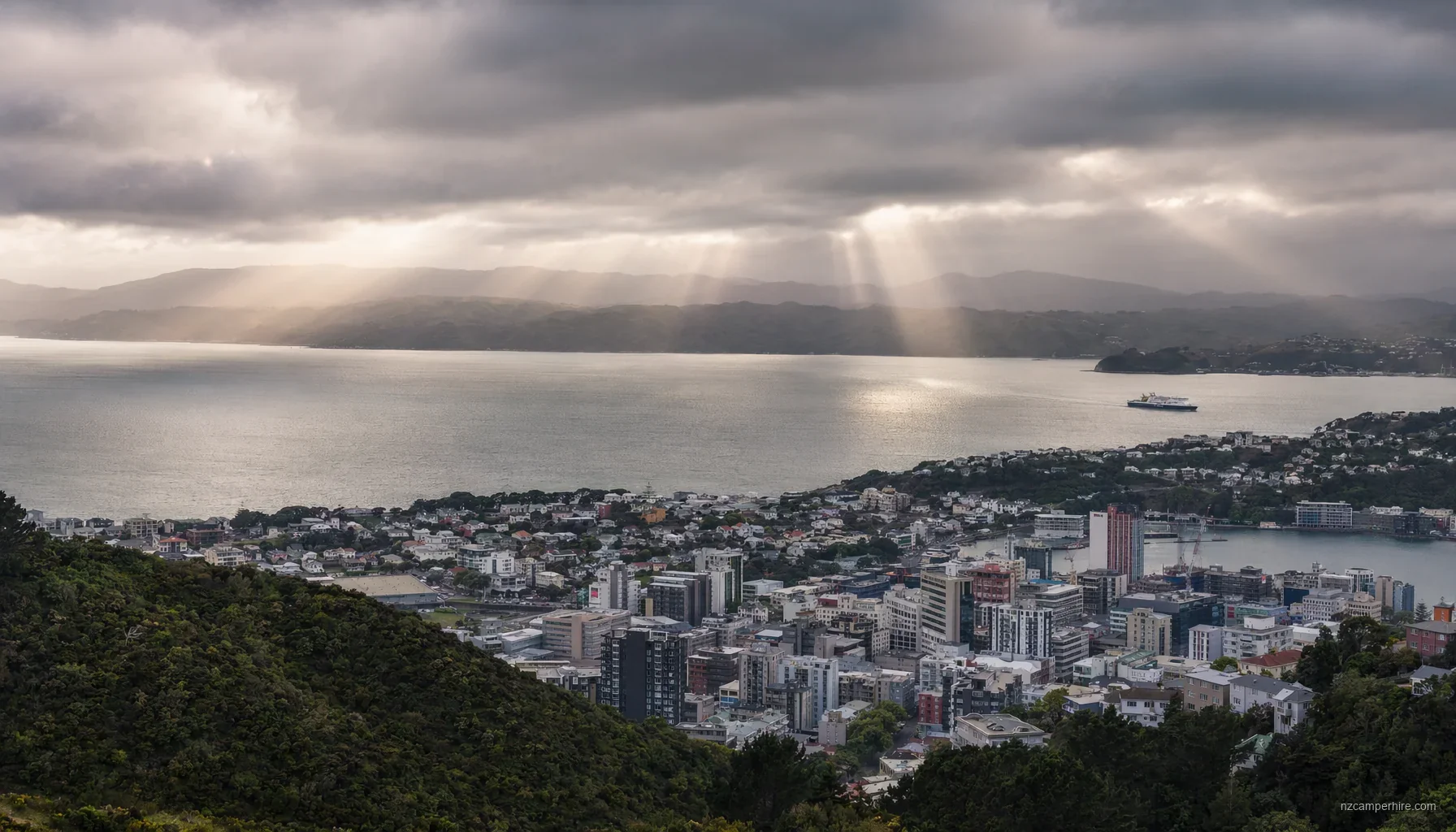
 Wellington
Capital city and Cook Strait ferry port. The pivot point between islands.
See the region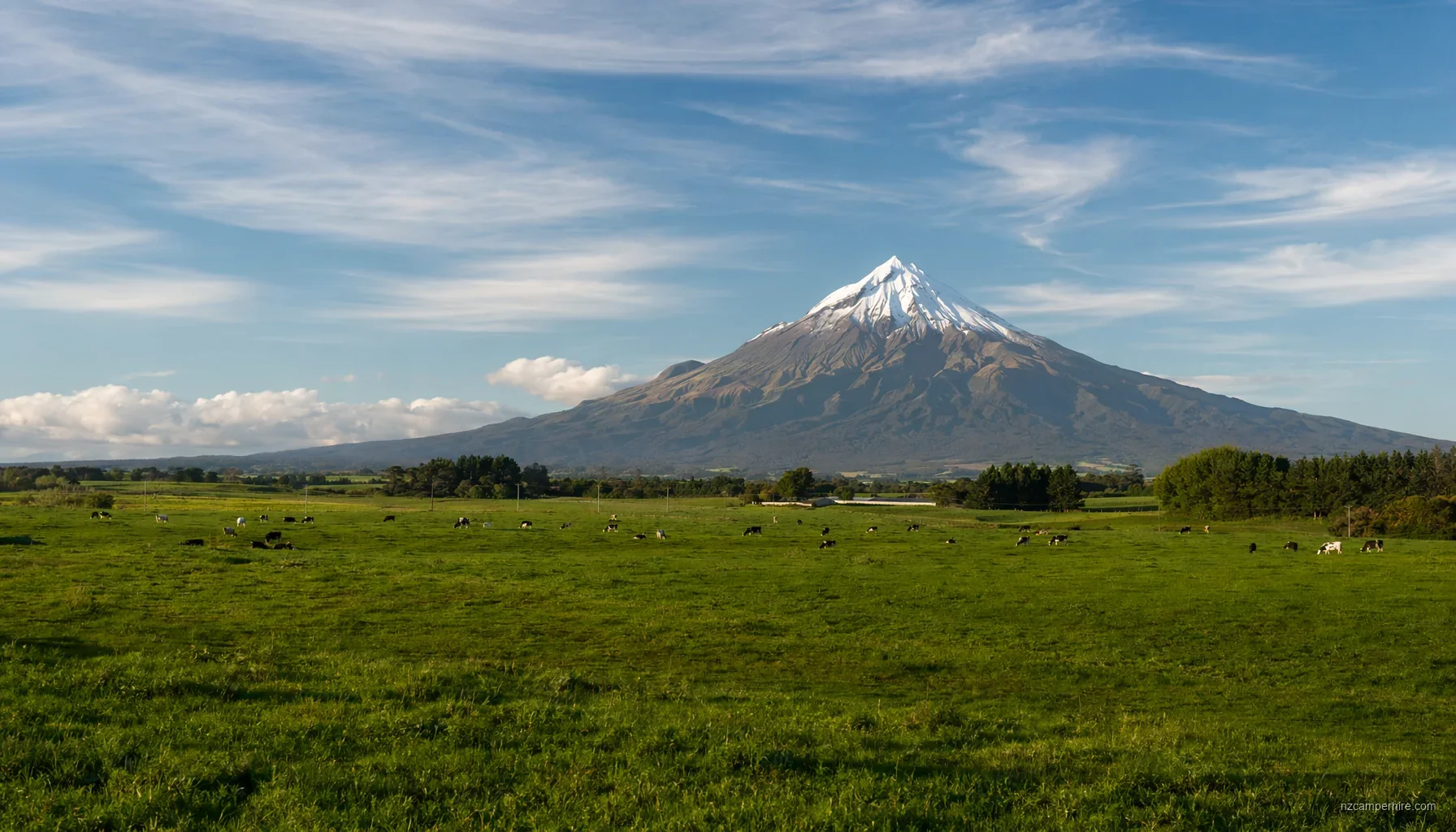 ROUTE
ROUTE North Island in 10 days
Auckland to Wellington via Bay of Islands, Coromandel, Rotorua, Hobbiton, and Tongariro.
See the route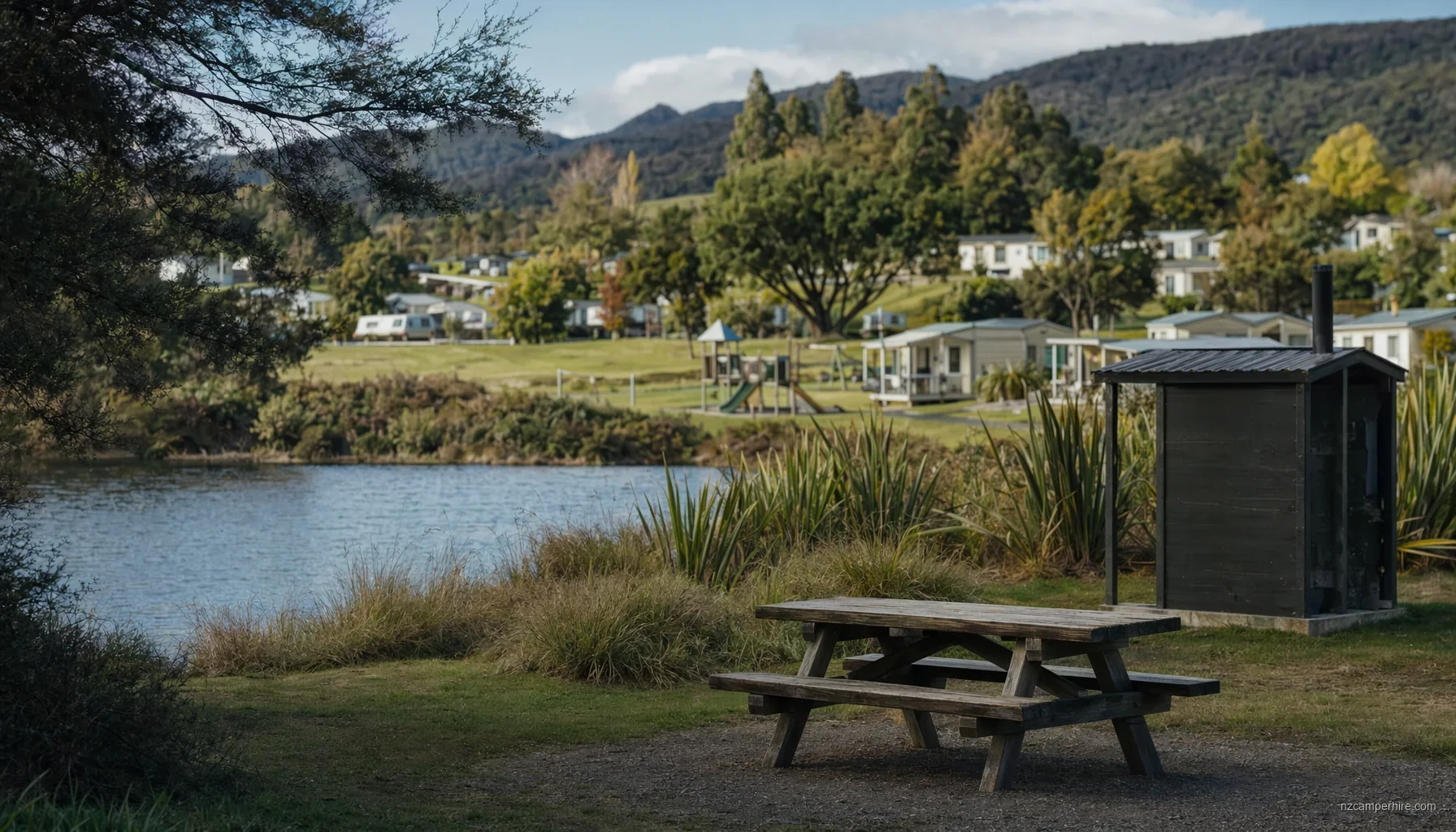 PRACTICAL GUIDE
 Holiday parks vs DOC campsites
Powered vs unpowered, facilities, booking, costs, and when each makes sense.
Read the guideWhanganui Holiday Park — motorhome stay guide FAQ
Do I need to book Whanganui Holiday Park in January?
Are powered sites really worth it here?
Can I dump tanks here without staying?
Talk to a planner about whanganui holiday park — motorhome stay guide
Holiday parks book up fast in peak season and vary widely in what they offer. Send your dates and we'll come back with whether this one fits your trip and the right time to book it.