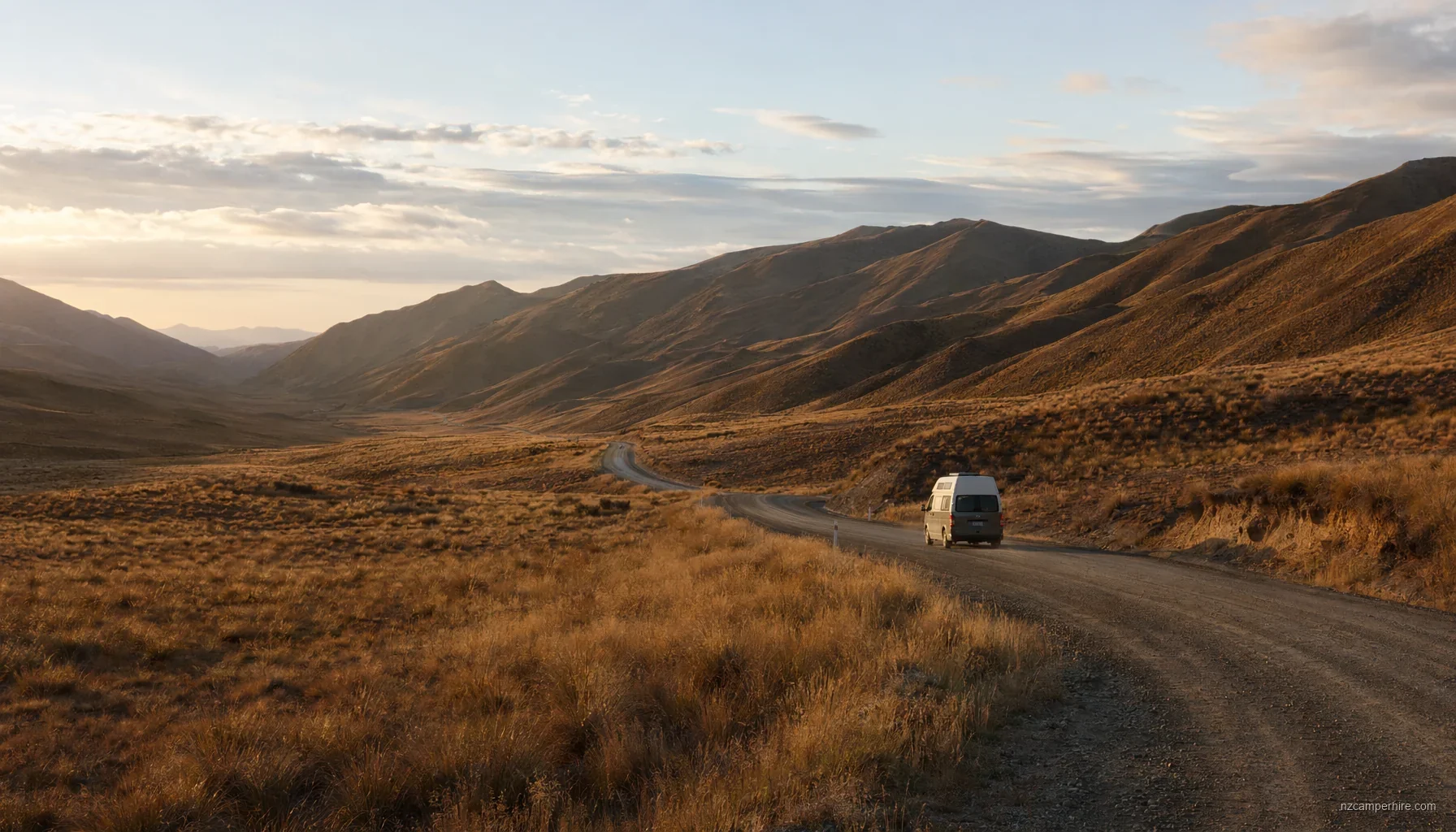
9-day South Island in a 2-berth motorhome
9-day south island in a 2-berth
Nine days is a very common South Island rental length. It is long enough for Christchurch, Lake Tekapo, Mount Cook / Aoraki, Wanaka, Queenstown and maybe Te Anau, but not long enough for every glacier, coast road and scenic detour.
A 2-berth suits this trip when there are two adults, light luggage, and a route that avoids too many one-night stops. The question is not just bed size. It is storage, bathroom use, insurance excess, and how tired you feel after SH8, SH6 and a supermarket park in Queenstown.
Have a planner sense-check whether this configuration fits the route and dates you've got in mind — reply below with the rough shape of your trip.
Why this configuration suits a 9-day South Island trip
A 2-berth is usually the right size for a focused lower South Island run. It is easier to park in Christchurch, calmer through Lake Tekapo village, and less work on the bends between Wanaka and Queenstown. If you are new to left-side driving, that matters.
A clean route shape is close to our Christchurch to Queenstown route, or a shortened version of South Island in 10 days. Think Christchurch to Lake Tekapo, 230 km and 3 to 3.5 hours via SH1, SH79 and SH8. Then Lake Tekapo to Mount Cook / Aoraki, 105 km and about 1 hour 15 minutes. From there to Wanaka over SH8 and the Lindis Pass, 965 m, is about 200 km and 2.75 to 3.25 hours in a motorhome.
The 2-berth keeps fuel use, ferry-style manoeuvring and campsite footprint smaller than a 4-berth. It also suits shoulder months like March, April, October and November, when you still want a warm interior but do not need family-scale living space.
What to look for when you scan the rental sites
Start with the layout, not the badge on the bonnet. The parent Vehicle choice hub explains the broad categories, and the 2-berth vs 4-berth motorhome comparison is worth reading if you are unsure about space.
- Bed setup: a permanent rear bed saves nightly effort. A dinette bed gives daytime space but gets annoying if one person wakes early.
- Bathroom: an onboard toilet is useful for weather and remote stops. A full shower sounds good, but many travellers still use holiday park facilities.
- Self-containment: check the certified self-contained status and blue sticker rules before assuming you can use freedom camping areas.
- Insurance: read the excess, windscreen, tyre, underbody and single-vehicle accident clauses. Our Campervan insurance options guide is the plain-English version.
- Driving basics: NZ drives on the left. Licences in English are valid for 12 months; if yours is not in English, carry an IDP or approved translation. Read First time driving a motorhome before pickup day.
For the money side, use What a NZ campervan trip actually costs alongside vehicle choice. Daily rate is only one line. Fuel, powered sites, insurance reduction, groceries, parking and paid activities often change the real total.
Trade-offs you find out about on day 5
By day 5, the 2-berth feels either efficient or tight. The difference is usually luggage discipline and stop length. Two nights at Lake Tekapo or Wanaka feels better than packing bedding every morning, driving three hours, and arriving tired in a dark campsite.
Storage is the quiet issue. Hard suitcases are awkward. Soft bags fit under seats and into odd corners. Wet jackets need somewhere to hang after Mount Cook tracks or a rainy Te Anau day. If both travellers want separate work areas, large camera bags, or winter ski gear, size up.
Plan a mix of campground styles. White Horse Hill near Aoraki/Mount Cook is superb for location but has basic facilities and books out in busy periods. Lake Pukaki freedom camping areas can be exposed in wind. Creeksyde Queenstown is practical because Queenstown parking is tight. North South Holiday Park near Christchurch works well for the first or last night after an international flight.
Real options on the market
When you research, you will see named examples such as Apollo Euro Tourer, Maui Ultima and Britz Hi-Top. Treat those names as layout signals, not automatic answers. One may have an ensuite and more length; another may be simpler, cheaper to run and easier to park, but without the same bathroom setup.
For a 9-day South Island trip, I would favour a 2-berth with automatic transmission, proper heating, certified self-containment, and enough internal standing room to make tea when it is raining. If your plan includes Milford Sound, note that Queenstown to Te Anau is about 170 km and 2.25 hours, then Te Anau to Milford Sound is 118 km and 2 to 2.5 hours each way on SH94. That is a long day in any van, so vehicle comfort counts.
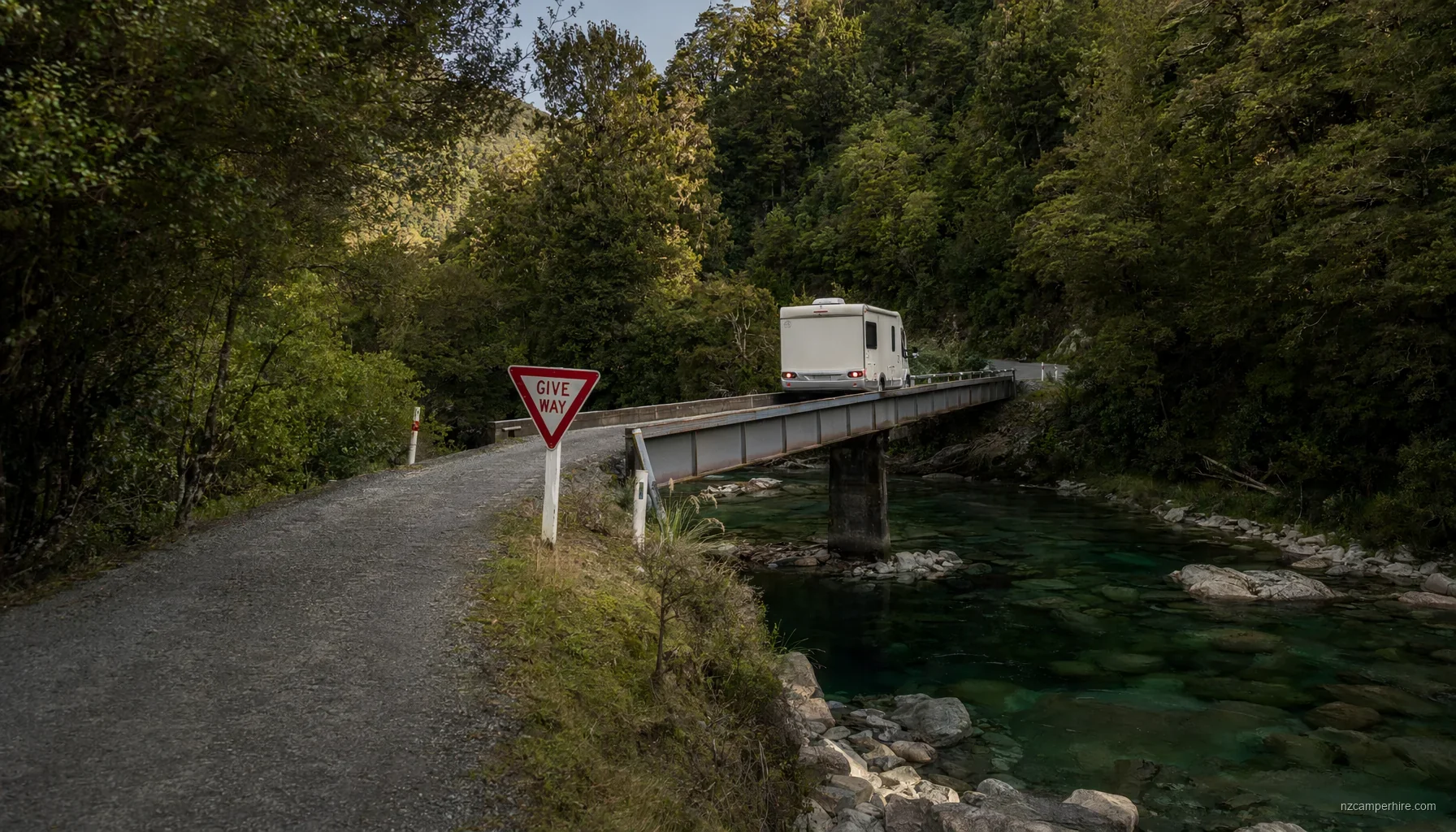
9-day South Island in a 2-berth FAQ
Will the ensuite still feel cramped on day 9?
Is a 2-berth too small for Christchurch to Queenstown in 9 days?
Should we take a 4-berth instead for extra comfort?
Talk to a planner about 9-day south island in a 2-berth
Vehicle pick depends on dates, party size, and route. Send us a short outline and we'll come back with a model recommendation and a paced trip to match.