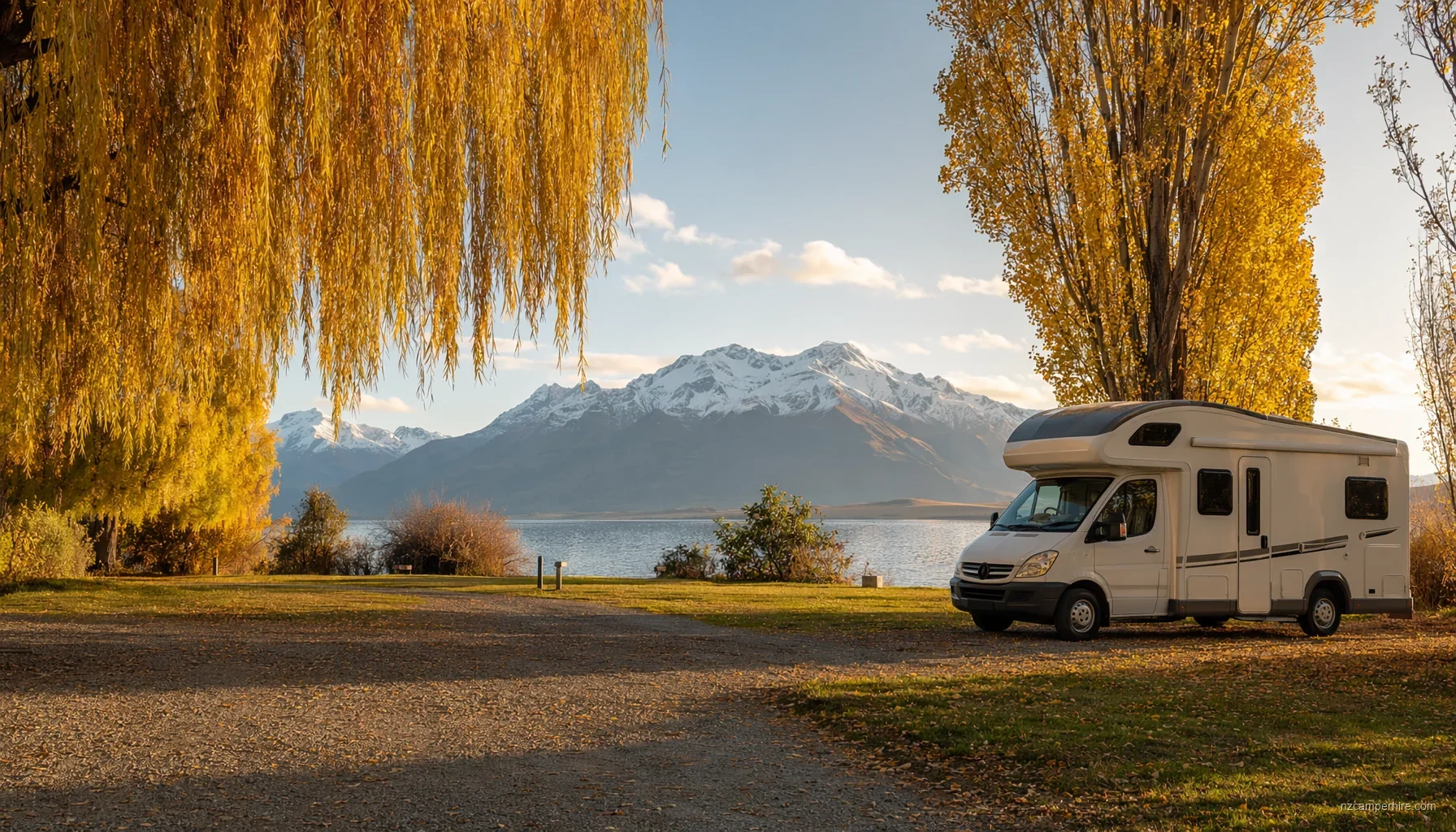
First-time visitors shoulder-season 4-berth
first-time visitors shoulder-season 4-berth
For a first New Zealand motorhome trip in October, November or April, a 4-berth is often the sensible middle ground. You get real indoor space for wet evenings, a proper toilet and shower in most layouts, and a vehicle that is still manageable on SH8, SH73 and SH94.
Shoulder season helps. Availability is usually calmer than January, holiday parks have more room, and the daily rate is often less painful than peak summer. The trade-off is weather: cold mornings in Lake Tekapo, wind around Wellington, and rain on the West Coast are normal.
Have a planner sense-check whether this configuration fits the route and dates you've got in mind — reply below with the rough shape of your trip.
Why this configuration suits first-time shoulder-season travel
A 4-berth gives first-timers margin. That matters when you are learning left-side driving, supermarket routines, dump stations, heater settings and where the kettle lives. It is not only about beds. It is about being able to sit inside at 6 pm when rain hits Hokitika or the temperature drops near Mount Cook / Aoraki.
It suits routes with 2 to 4 hour driving days. South Island in 14 days works well: Christchurch to Lake Tekapo is about 230 km and 3 hours, then Lake Tekapo to Queenstown via SH8 and Lindis Pass, 965 m, is about 260 km and 3.5 to 4 hours in a motorhome. North to South in 21 days also fits, especially if you give the Cook Strait ferry a proper booking window.
Use the Motorhome vehicle choice hub for the wider decision, then read the 4-berth vs 6-berth motorhomes page if you are travelling with children or another adult pair. Keep the cost article, What a NZ campervan trip actually costs, beside you while you weigh insurance, fuel and paid campsites.
What to look for when you scan the rental sites
Do not start with the photo of the outside. Start with the night-time layout. A fixed rear bed saves effort but takes space all day. A dinette bed gives more living room but means making the bed every night. After a week, that small task can become annoying.
- Heating: October and April can be cold inland. Ask how the cabin heater works when you are not plugged into 240V power.
- Toilet and shower: Useful in bad weather and at DOC sites, but still compact. Treat it as a backup, not a hotel bathroom.
- Self-containment: Check the vehicle has current certification. Read Self-contained certification explained before assuming freedom camping is legal everywhere.
- Insurance excess: First-time drivers should read Campervan insurance options. Narrow roads, low branches and car park scrapes are more common than big crashes.
New Zealand drives on the left. A foreign licence in English is valid for up to 12 months. If your licence is not in English, carry an International Driving Permit or approved translation. The guide First time driving a motorhome is worth reading before pickup day.
Real options on the market
When you research the larger rental market, you will see 4-berth layouts under model names such as Maui Beach, Britz Voyager and Apollo Euro Tourer. Treat those names as clues about layout, age, storage and included equipment, not as a neat ranking system.
Some vehicles have a smoother, newer cabin and better internal finish. Others sit at a lower daily rate because the fleet is older. In shoulder season, the gap between those choices can narrow, so look closely at the floor plan, bedding setup, heating and insurance conditions rather than the headline badge.
For two adults who want more space, a 4-berth can feel comfortable. For a family of four, it is workable if everyone packs lightly. For four adults, it can be tight unless the route is short and the group is patient.
Trade-offs you find out about on day 5
The first trade-off is size in towns. Queenstown parking is limited, so Creeksyde Queenstown or a bus-friendly holiday park plan can save stress. In Christchurch, North South Holiday Park is practical for pickup or return nights. Around Mount Cook, White Horse Hill DOC campsite is superbly located but basic and exposed.
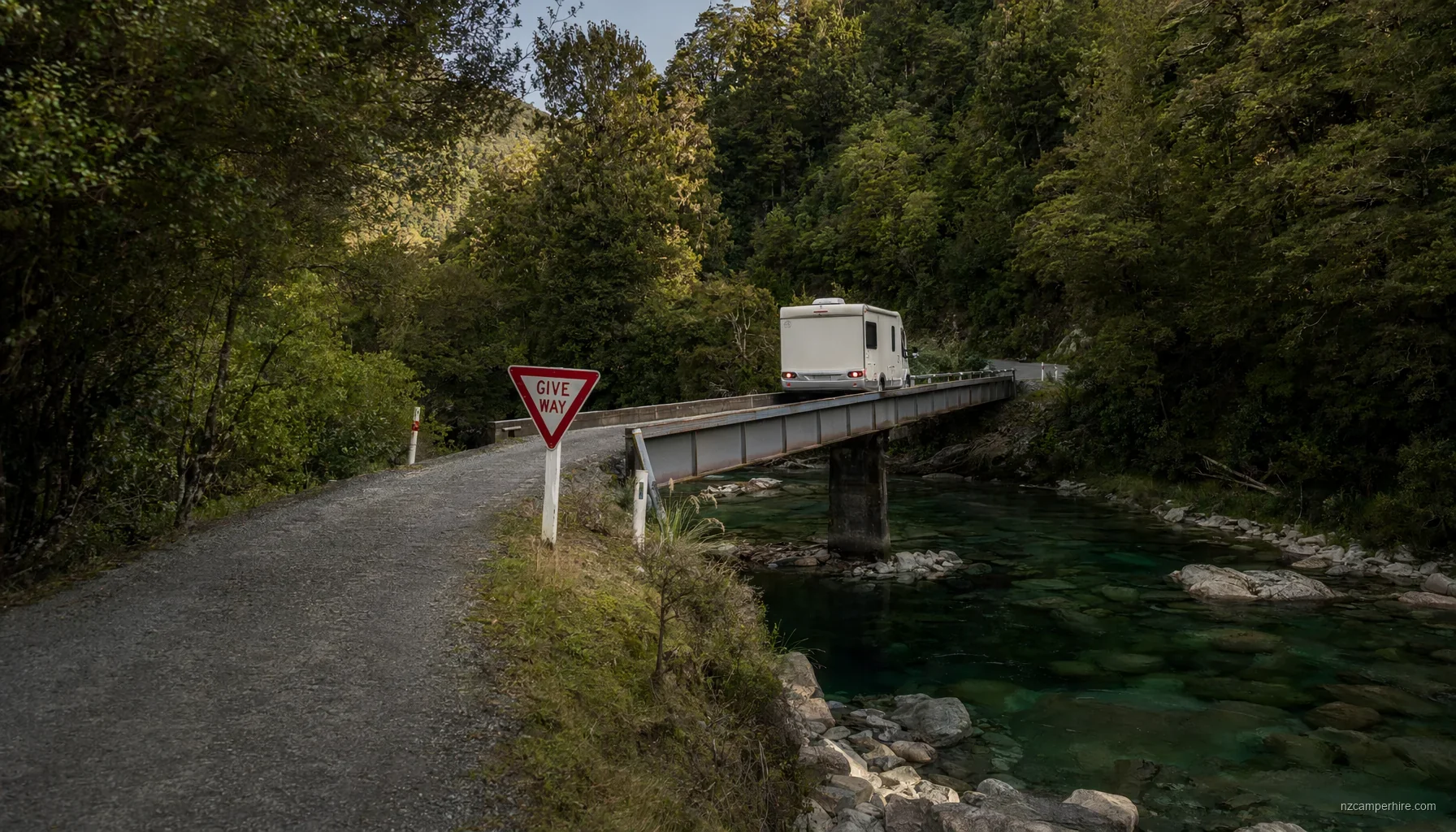
The second trade-off is driving comfort. A 4-berth is fine on SH94 from Te Anau to Milford Sound, about 120 km and 2 hours 15 minutes each way without long stops, but the road is narrow in places and the Homer Tunnel area needs patience. The Crown Range reaches 1,121 m. If you are nervous, use SH6 via Cromwell between Wanaka and Queenstown instead.
The third trade-off is campsite style. Lake Pukaki freedom-style areas and DOC sites can be great in settled weather, but in April rain you may prefer powered sites, laundry and hot showers. Read Freedom camping in NZ before planning too many free nights.
First-time visitors shoulder-season 4-berth FAQ
Will the ensuite still feel cramped on day 14?
Is a 4-berth too large for first-time NZ drivers?
Should two people choose a 4-berth instead of a 2-berth in shoulder season?
Talk to a planner about first-time visitors shoulder-season 4-berth
Vehicle pick depends on dates, party size, and route. Send us a short outline and we'll come back with a model recommendation and a paced trip to match.